
The best time to visit Big Bear depends on what kind of mountain adventure you’re after, because this Southern California getaway shines year-round. From snow-covered slopes in winter to sunlit lake days in summer, every season offers its own reason to go.
As locals who live and explore here year-round, we’ve put together insider tips to help you choose the perfect time to visit—whether you’re planning a cozy cabin weekend, a hiking trip, or a family escape to the lake. This guide breaks down when to go so you can experience Big Bear at its very best.
Big Bear in Winter (December – March)
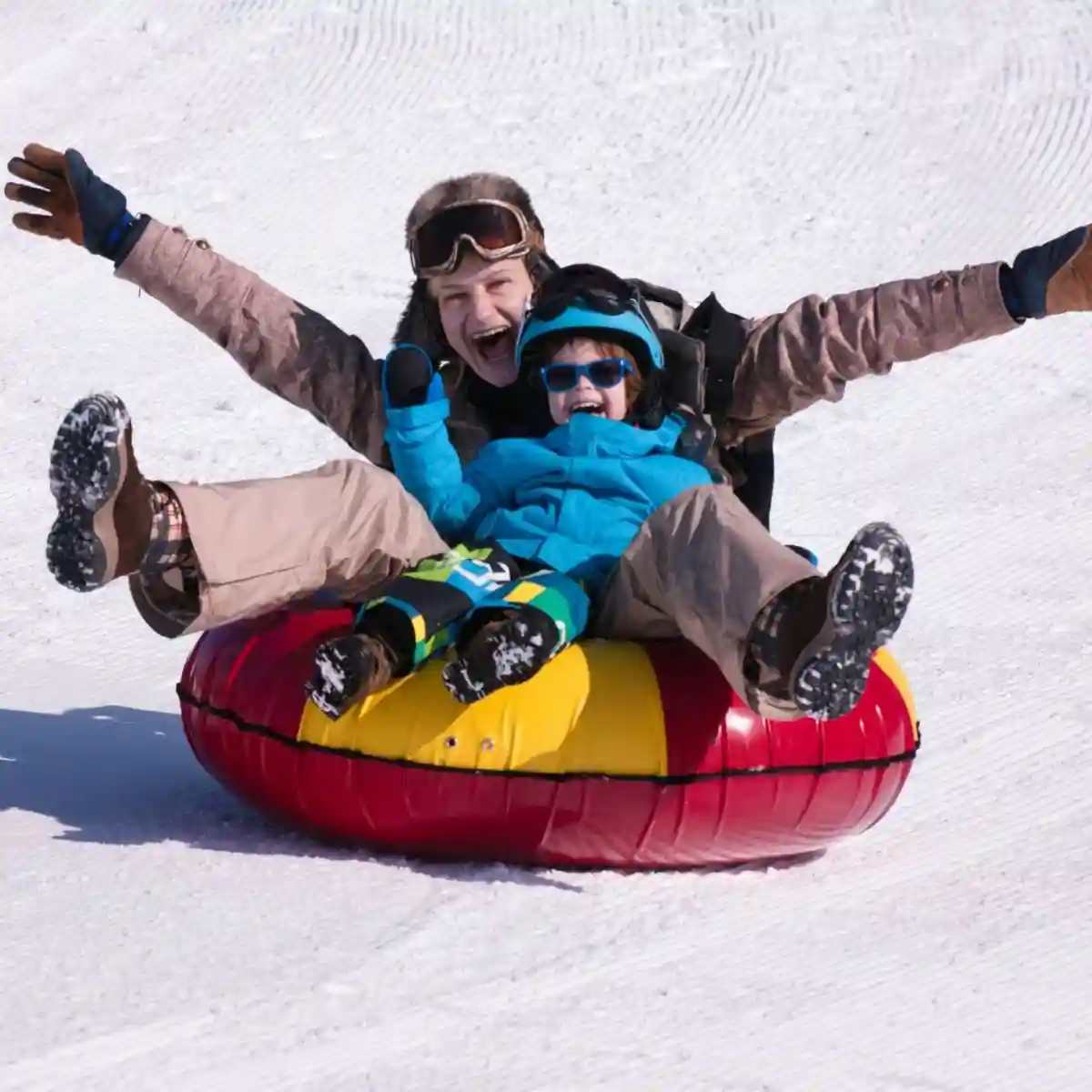
Winter in Big Bear is pure mountain magic. Snow blankets the pines, the lake glistens under clear blue skies, and the ski resorts at Snow Summit and Bear Mountain come alive with fresh powder and lively après-ski energy.
- Weather: 20–45°F
- Best for: Skiing, snowboarding, tubing, snow play, and cozy cabin getaways
- Crowds: Heaviest from mid-December through Presidents’ Day weekend
Even if nature doesn’t deliver fresh powder, Big Bear’s ski resorts have you covered. Snow Summit and Bear Mountain both make their own snow, ensuring reliable conditions all winter long.
Local tubing parks like Big Bear Snow Play and Alpine Slide also use snowmaking machines, so you can count on plenty of family fun even after a dry spell.
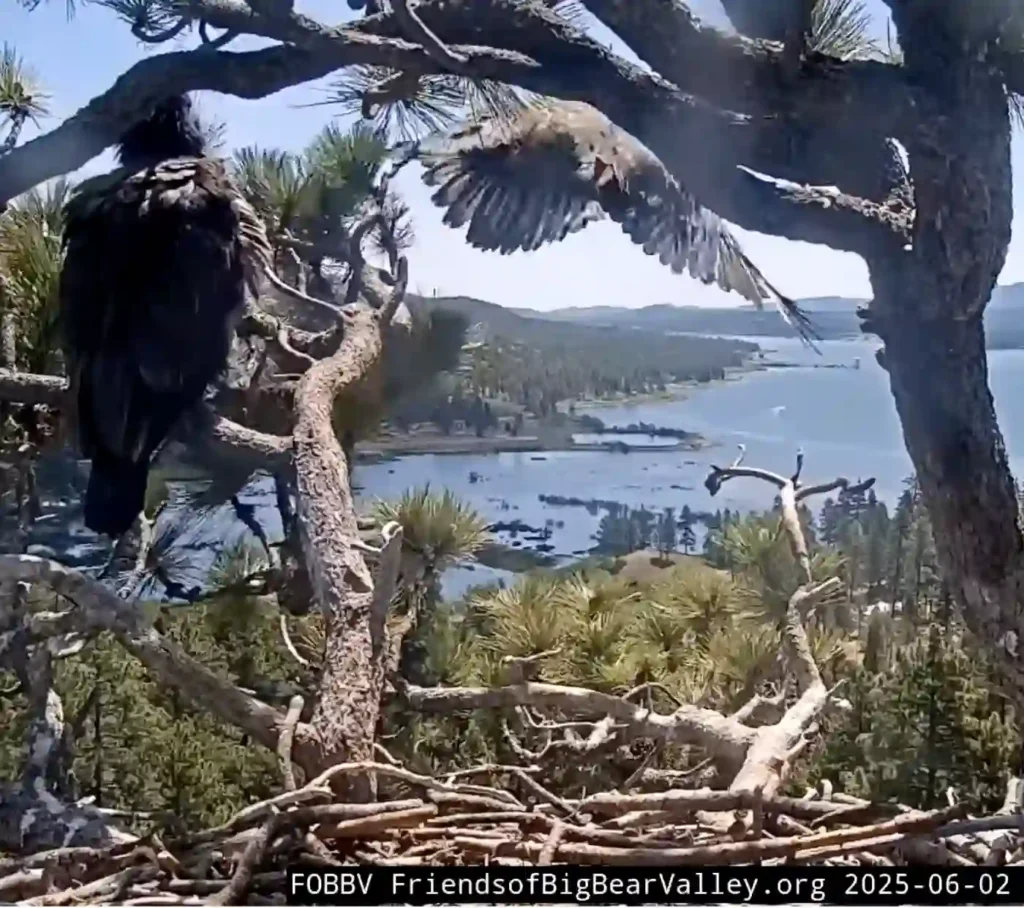
This is also when Big Bear’s famous bald eagles, Shadow and Jackie, typically hatch their eggs—usually around February or March. Viewers from around the world tune in to the live Eagle Cam, which is operated by the Friends of Big Bear Valley, a local non-profit organization dedicated to wildlife protection. The livestream captures every milestone as the eaglets grow and take their first flights above the snowy pines.
Local tip: Visit midweek or in early December before school breaks for shorter lift lines and lower prices. And don’t forget tire chains—Caltrans frequently enforces chain control during storms.
For safe travel up the mountain, check out our winter driving and chain control guide before you go.
Big Bear in Spring (April – May)
Spring is one of Big Bear’s most peaceful and affordable times to visit. The snow melts into rushing creeks, wildflowers begin to bloom, and the mountains trade white peaks for green trails and fresh pine-scented air.
- Weather: 40–65°F
- Best for: Hiking, fishing, mountain biking, and scenic drives
- Crowds: Light — enjoy easy parking, short lift lines, and shorter waits at local restaurants
This is a shoulder season, so you’ll find fewer visitors and plenty of quiet charm. The lake levels rise with snowmelt, making it a great time for kayaking, paddle boarding, or picnicking by the shoreline.
It’s also prime season to watch Big Bear’s famous bald eagles, Shadow and Jackie, as their eaglet(s) learn to fly and eventually leave the nest—a sight that draws wildlife enthusiasts from around the world. The eaglets usually fledge between May and June, making late spring and early summer a special time to witness this milestone.
Local tip: Pack layers. Mornings can be chilly, but afternoons often bring warm sunshine. Spring is also a great time to try local favorites like 572 Social Kitchen & Lounge or Alpine Kitchen before summer crowds arrive.
Big Bear in Summer (June – August)
Summer in Big Bear is all about lake life, long sunny days, and outdoor adventure. The mountain air stays crisp even when temperatures rise elsewhere, offering a refreshing escape from the 95°+ heat of the towns below the mountain. It’s one of the best summer getaways in Southern California.
- Weather: 65–90°F
- Best for: Boating, kayaking, hiking, zip-lining, and outdoor festivals
- Crowds: Busy on weekends and holidays, but midweek stays are relaxed and peaceful
Big Bear Lake becomes the centerpiece of summer fun—perfect for swimming, kayaking, and fishing. Many families enjoy kayaking together across the calm morning waters, spotting ducks, eagles, and other lake activities such as fishing, boating, and even jet skiing.
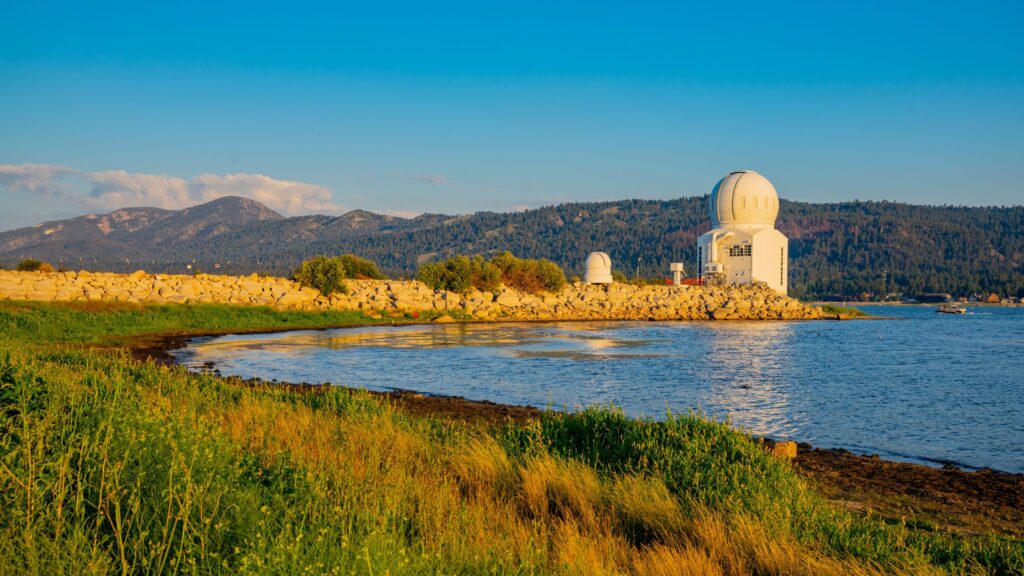
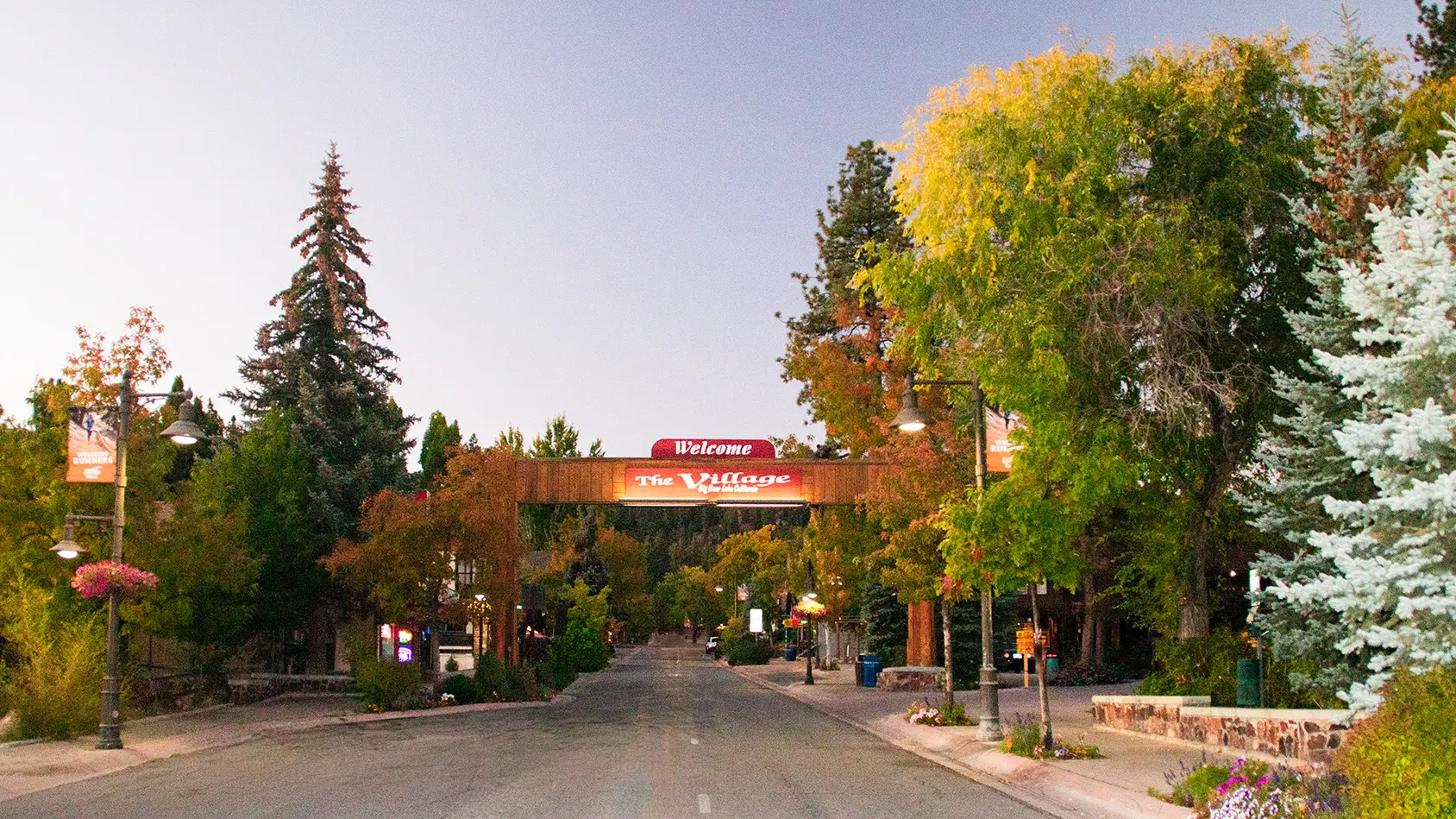
Marinas rent everything from pontoons to jet skis, while hikers hit the trails at Pine Knot and Cougar Crest for panoramic lake views. Evenings bring live music in The Village and stunning sunsets over the water.
Local tip: Plan water activities early in the day. Afternoon thunderstorms sometimes roll through, clearing quickly but adding dramatic beauty to the mountain skies. Book lodging early for Fourth of July weekend—fireworks over the lake are a must-see Big Bear tradition.
Big Bear in Fall (September – November)
Fall is a breathtaking time to visit Big Bear. The summer crowds fade, the air turns crisp, and the mountains explode with golden aspen and maple leaves. It’s a season made for scenic hikes, cozy cabin weekends, and mountain adventures at a slower pace.
- Weather: 40–70°F
- Best for: Leaf-peeping, hiking, mountain biking, and local festivals
- Crowds: Moderate early fall; quiet by November, except during Oktoberfest weekends
Autumn in Big Bear blends small-town charm with outdoor beauty. The Big Bear Oktoberfest brings lively music, hearty German food, and steins of beer every weekend from mid-September through early November. Hikers can enjoy cooler temps and vibrant views along trails like Pineknot and Castle Rock, while photographers love capturing the golden aspen groves near Mill Creek Road and Aspen Glen.
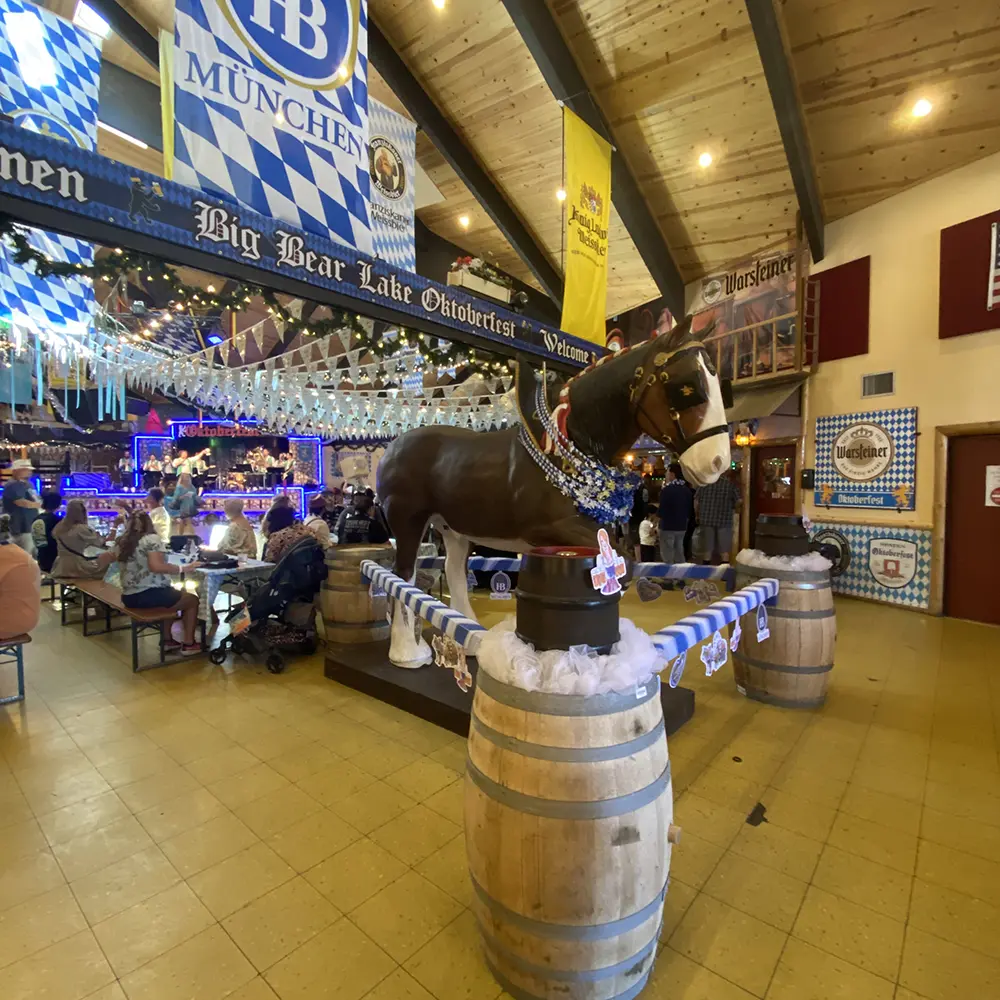
Local tip: October is the best month for fall colors, with vibrant foliage throughout the month. For the best hiking, explore Castle Rock Trail, Alpine Pedal Path, and Woodland Trail—each offers crisp mountain air, colorful leaves, and peaceful forest views perfect for leaf-peeping.
Final Thoughts
No matter the season, Big Bear always has something special to offer. Whether you’re carving through fresh powder, kayaking across calm waters, or watching golden leaves shimmer in the fall breeze, every visit feels like a breath of mountain-fresh air.
The best time to visit Big Bear ultimately depends on what kind of adventure you’re after—snow, sunshine, or quiet relaxation. Each season brings new reasons to return and new trails to explore.
For more insider tips, seasonal guides, and local restaurant reviews, follow BigBearWaypoint on social media or visit our events calendar to plan your next trip like a local.
Frequently Asked Questions About Visiting Big Bear Lake
What is Big Bear Lake famous for?
Big Bear Lake is famous for its mountain scenery, year-round outdoor fun, and cozy cabin charm. Visitors come for skiing, boating, hiking, and to see the famous bald eagles, Shadow and Jackie.
When does it snow in Big Bear?
Snow usually falls in Big Bear between November and March, with the most consistent snowfall in January and February. Even in light winters, ski resorts make snow so visitors can enjoy reliable skiing and tubing all season.
Is there snow in Big Bear?
Yes, Big Bear usually gets snow between November and March. The heaviest snowfall happens in January and February, but even during dry winters, ski resorts make snow so visitors can enjoy skiing, snowboarding, and tubing all season long.
What is the difference between Big Bear and Big Bear Lake?
Big Bear Lake is the main village and the actual lake, while Big Bear City sits just east of it. Together, they make up the larger Big Bear Valley, known for its mountain scenery and year-round recreation.
Is it okay to swim in Big Bear Lake?
Yes, it’s safe to swim in Big Bear Lake near public beaches like Meadow Park and Garstin Island. Rinse off after—algae levels can reach caution levels. The water is cold, so limit exposure to avoid cold-water shock.
Are there bears in Big Bear?
Despite the name, Big Bear rarely has bears today. The area was named after the grizzly bears that once lived here, but they disappeared in the early 1900s. Only the occasional black bear sighting happens now and is rare.
Are there dog-friendly hikes in Big Bear?
Yes! Most trails in Big Bear are dog-friendly, including Alpine Pedal Path, Woodland Trail, and Castle Rock Trail. Keep dogs leashed, bring water, and clean up to help preserve the mountain environment.
Is the drive up to Big Bear dangerous?
The drive to Big Bear isn’t dangerous if you take your time. Roads are paved and maintained but have sharp curves. Use turnouts if traffic backs up behind you, drive in low gear downhill, and check for chain rules in winter.
What’s the easiest road to drive to Big Bear?
The easiest route for most drivers is Highway 18 from Lucerne Valley. It’s the shortest mountain drive (has the fewest curves) so it’s perfect for those who prefer a gentler, less winding drive to Big Bear.
Don’t Miss the Adventure
Stay ahead of the crowd—follow Big Bear Waypoint for what’s new, tasty, and happening around the lake!